 Imagup General Magazine 2025
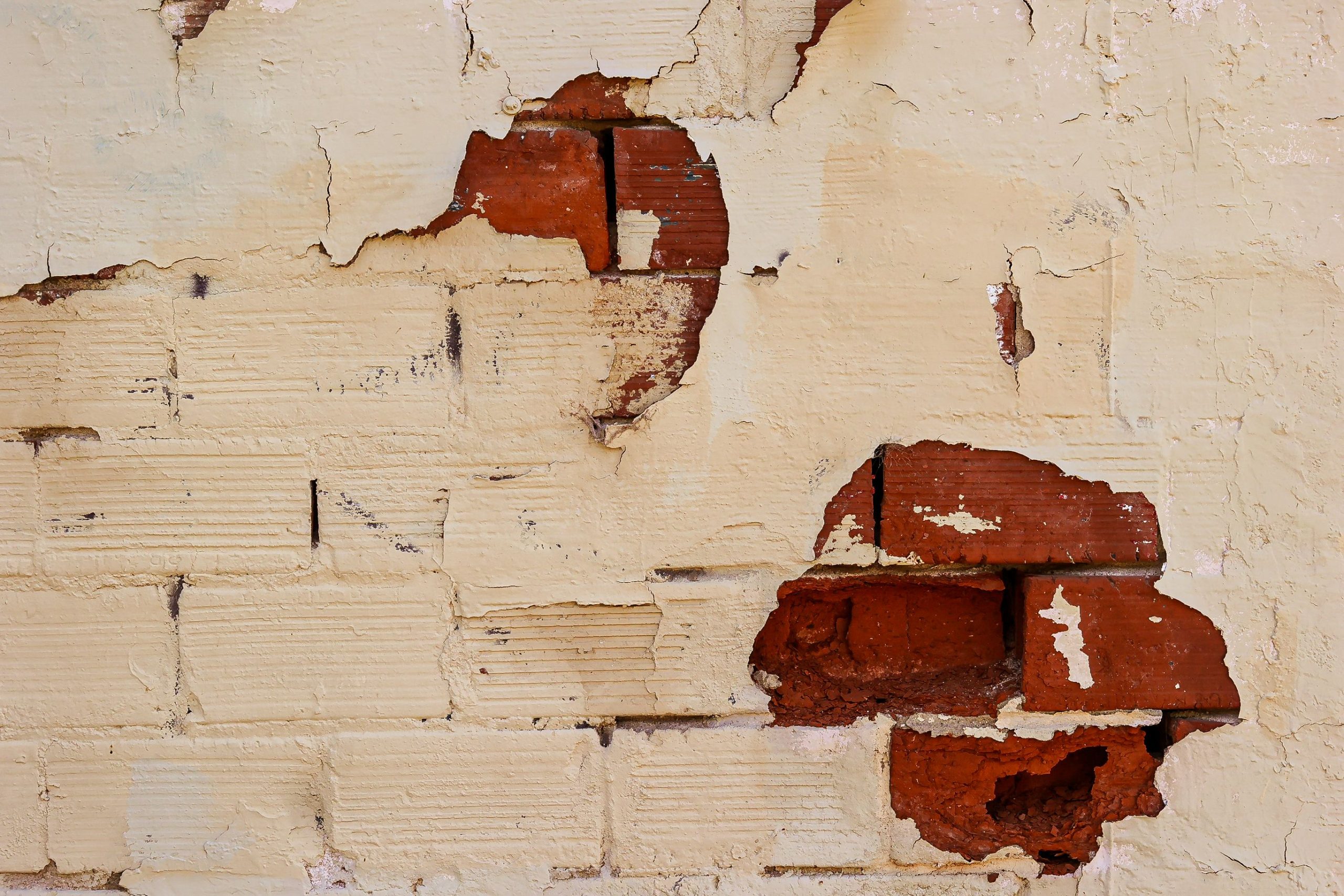
Brick, stone and mortar have a reputation for lasting forever, and in the right conditions they can stand for a century or more. Yet the walls, chimneys, patios and retaining walls around many homes start showing damage within a few decades, and sometimes much sooner. The cause is rarely poor material. It is usually water, and what water does when temperatures swing above and below freezing.
Homeowners in regions with cold winters and bright, sunny days see this the most. A wall can thaw in the afternoon sun and freeze again overnight, sometimes dozens of times in a single winter. Each cycle puts a small stress on the masonry, and those stresses add up over the years.
This article explains how freeze-thaw damage works, which warning signs to look for, what makes the damage worse, how repairs are usually done, and a seasonal checklist that helps prevent the problems that cost the most to fix.
How Freeze-Thaw Damage Works
Masonry looks solid, but brick, stone and mortar are all porous. Tiny channels run through them and soak up rainwater, snowmelt and moisture rising from the ground. When the temperature drops below 32°F, the water inside those pores turns to ice. Water expands by roughly 9 percent as it freezes, and that expansion pushes outward on the material around it.
A single freeze rarely causes visible harm. The damage comes from repetition. When the ice melts, water seeps deeper into any cracks it opened. When it freezes again, those cracks widen. Over many winters, hairline flaws become cracks, and cracks become pieces of brick or mortar that fall away.
Mortar usually fails first. It is softer and more porous than brick on purpose, so it acts as the sacrificial layer that absorbs movement and wear. That is why mortar joints are expected to be repaired once or twice in a building’s life while the bricks themselves often outlast several rounds of repairs.
Some walls suffer more than others. Surfaces that stay damp, such as north-facing walls or spots under a leaking roof edge, go through more freeze cycles with more water in the material. Softer or highly absorbent bricks and stones also take on more water and break down faster.
Warning Signs to Watch For
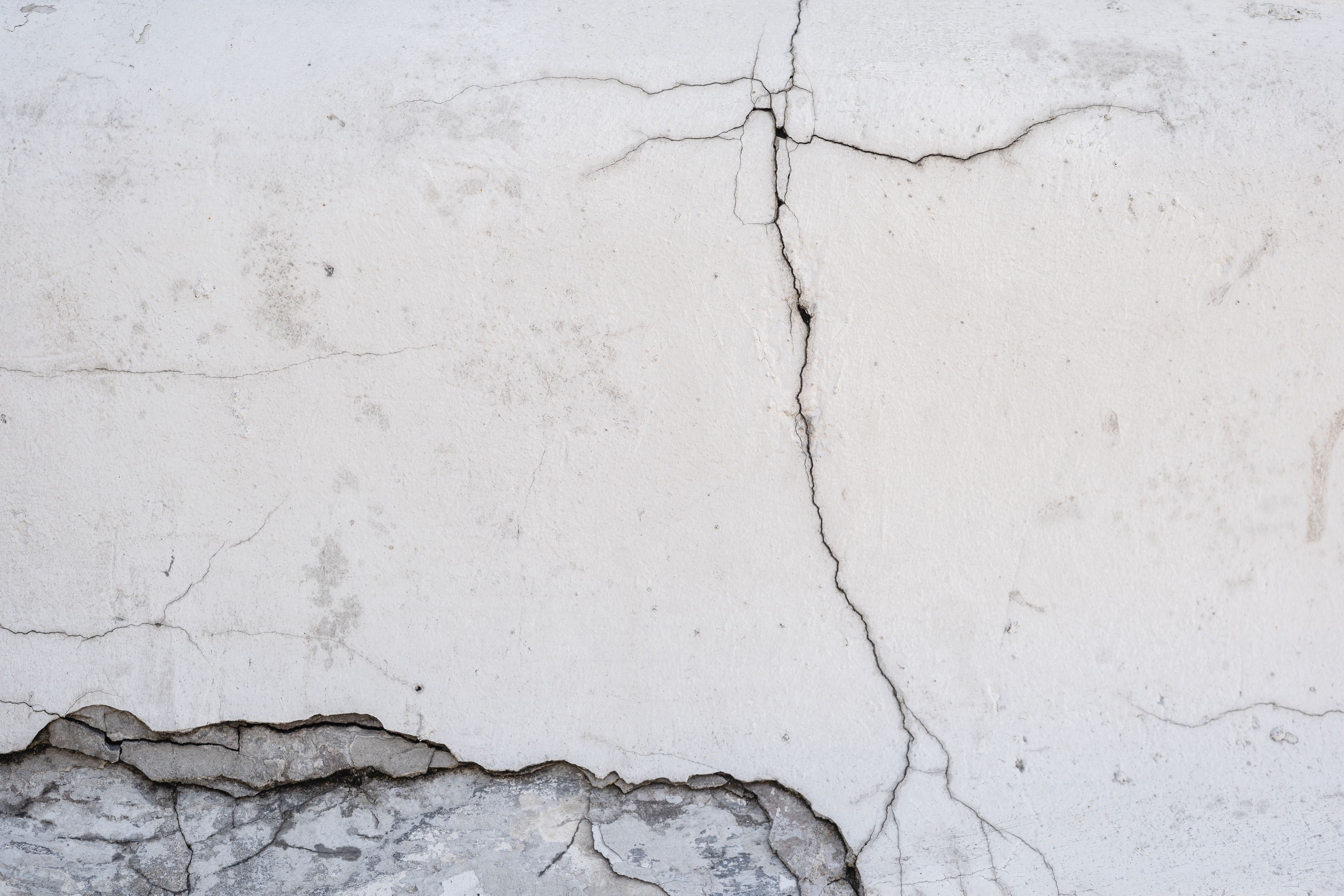
Most masonry problems announce themselves long before they become expensive. A walk around the house with a flashlight and a notepad, once or twice a year, catches nearly all of them.
- Crumbling or recessed mortar. If mortar is sandy, powdery, cracked or sitting well behind the face of the bricks, water can get in easily. Scratch a joint with a key. If it comes away easily, it is worn out.
- Spalling. This is when the face of a brick or stone flakes, peels or pops off, leaving a rough, pitted surface. It is a classic sign of trapped moisture freezing and expanding.
- Stair-step cracks. Cracks that follow the mortar joints in a diagonal pattern can point to movement in the wall or foundation, not just surface wear. Wide or growing cracks deserve a closer look.
- White, chalky deposits. Known as efflorescence, this powder is salt left behind when water travels through the masonry and evaporates. It is mostly cosmetic, but it shows that moisture is moving through the wall.
- Chimney trouble. Look for a leaning stack, a cracked or crumbling crown at the top, loose or missing bricks, and rust stains that suggest failing flashing.
- Signs inside the house. Damp patches, bubbling paint or a musty smell on walls next to brick or stone can mean water is getting through from outside.
What Makes the Damage Worse
Cold weather sets the stage, but moisture is what does the harm. These common problems feed it:
- Sprinklers aimed at walls. Constant spray keeps the masonry wet going into winter, and in areas with hard water it leaves mineral stains on the surface.
- Clogged gutters and short downspouts. Overflowing water runs down the wall face or pools at the base, where it soaks into the bricks and the foundation.
- Poor drainage. Soil that slopes toward the house or a patio that tilts toward a wall sends water exactly where it should not go.
- Failed chimney crowns and flashing. The top of a chimney takes the most weather. A cracked crown or loose flashing lets water run down inside the stack.
- Blocked weep holes. Brick veneer walls have small openings near the bottom that let trapped water escape. If they are plugged with mortar, paint or debris, moisture stays inside the wall.
- De-icing salts. Rock salt and similar products used on steps and walkways can soak into brick and stone and cause surface flaking.
- The wrong repair materials. Mortar that is harder than the brick around it forces the brick to take the stress, so the brick cracks instead of the joint. Sealers that block water vapor can also trap moisture inside the wall.
Repair Options and When to Call a Professional
The right fix depends on how far the damage has gone.
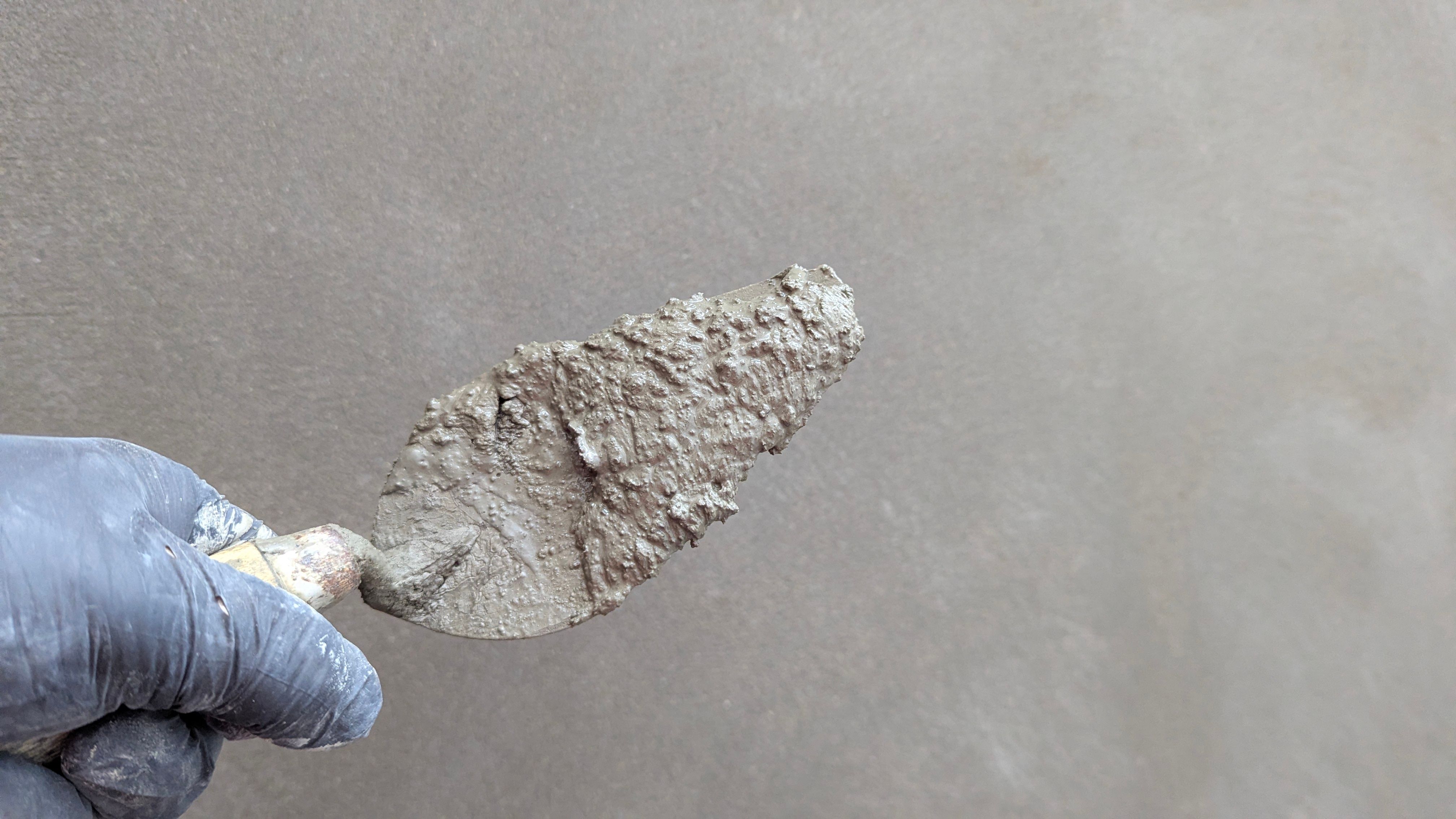
Repointing. When mortar joints are worn, the standard repair is to grind or cut out the old mortar to a consistent depth and fill the joints with new mortar. The new mix should match the original in strength and color. As a rule, it should be softer than the brick, not harder.
Replacing damaged units. Bricks or stones that have spalled badly or cracked through are removed and replaced with matching pieces so the wall keeps its strength and appearance.
Chimney repairs. Cracked crowns can often be patched or rebuilt, and failed flashing can be resealed or replaced. Fixing the top of the chimney first keeps water from undoing the repairs below it.
Water repellents. Once a wall is sound and dry, a breathable water repellent can reduce how much water it absorbs. Choose a product that lets vapor escape, and apply it only after repairs are finished.
Gentle cleaning. High-pressure washing can blast mortar out of joints and drive water deep into the wall. Soft brushes and low-pressure rinsing are safer for routine cleaning.
Small cosmetic problems can sometimes be handled by a careful homeowner. Structural signs, such as a leaning chimney, a bulging wall or wide stair-step cracks, should be looked at by a qualified professional. Homeowners who are comparing local masonry services can ask whether the contractor is licensed and insured, how they match mortar to the existing brick, and whether the written estimate covers the cause of the moisture problem as well as the visible damage.
A Seasonal Prevention Checklist
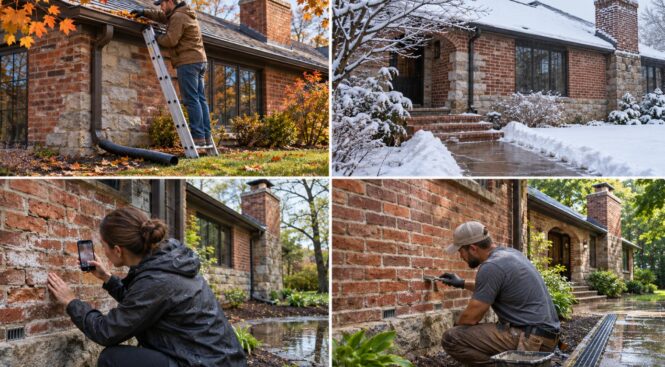
A few small habits through the year go a long way toward keeping masonry sound.
Fall (before the first hard freeze)
- Clean gutters and make sure downspouts carry water well away from the walls.
- Adjust sprinklers so they do not spray the brick or stone, and shut off irrigation for the season.
- Look over mortar joints, the chimney crown and any flashing, and make repairs while the weather is still mild.
- Check that weep holes are open.
Winter
- Use sand or a masonry-safe ice melter on steps and walkways instead of rock salt.
- Do not chip ice off brick or stone, because it can pull the surface away with it.
- Keep snow from piling up against walls and chimneys.
Spring
- Walk the property after the thaw and look for new cracks, flaking faces, white deposits or damp spots.
- Take photos of anything suspicious so you can compare them next year.
- Note any area where water seems to collect.
Summer
- Schedule repairs now. Mortar cures best in mild, dry weather, so late spring through early fall is the best window for repointing and rebuilding.
- Re-check drainage after heavy rain or summer storms.
The Bottom Line
Brick and stone are among the most durable materials a home can be built from, but they are not maintenance-free. Water is their main enemy, and freezing temperatures turn small amounts of moisture into slow, steady damage. The good news is that the warning signs are easy to spot, and the fixes are far cheaper and simpler when they are caught early.
Keep water away from your walls, watch the mortar, take care of the chimney, and repair small problems before the next winter arrives. A little attention each season can add decades to the life of your masonry.
