Imagup General Magazine 2025
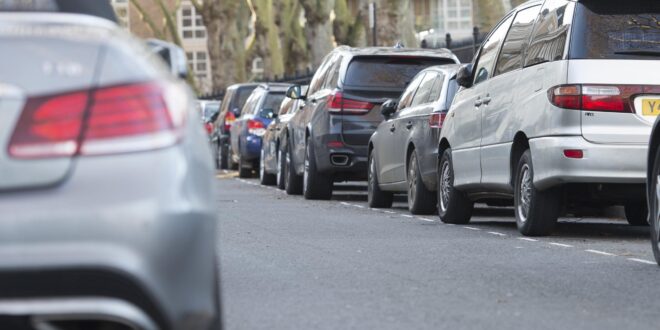
Leaving your car behind while you travel can feel like one of those small jobs you only think about on the way to the airport. You’ve packed your bags, checked the flight time, found your passport, remembered the charger, and then suddenly you’re wondering whether the car will be fine sitting there for days or weeks while you’re away.
That’s why keeping your car safe while you’re away starts before you pull into the parking space. A little preparation can help protect the vehicle, reduce the chance of coming back to annoying surprises, and make the end of the trip feel much smoother.
Choose the Parking Spot Carefully
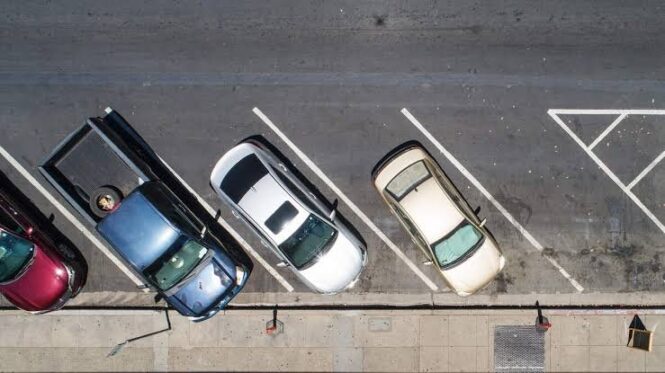
Not all parking spots are equal, especially when your car’s going to be sitting there for more than a day or two. A secure, well-lit area with clear access and regular activity is usually a better choice than somewhere isolated or poorly monitored.
If you’re parking near an airport, hotel or transport hub, it’s worth thinking about convenience, safety and how easy it’ll be to find the car again when you return tired and carrying too much luggage.
Shade can also make a difference, particularly in warmer weather. Long exposure to direct sun can heat the cabin, fade surfaces and put extra pressure on rubber seals, plastics and paint. If covered parking isn’t available, a sunshade can still help protect the interior.
Before you leave the car, take a moment to remove valuables from sight. Even small items like coins, sunglasses, charging cables, bags or jackets can attract attention if they’re visible through the window. The cleaner and emptier the car looks, the less interesting it becomes.
Think About What the Car Will Be Exposed To
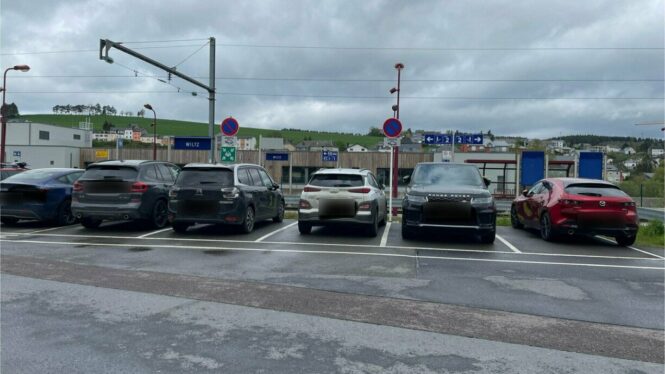
A parking stay of several weeks is different from leaving the car overnight. Weather, temperature changes and the amount of activity around the parking area can all influence what condition the vehicle is in when you return.
If you have several spaces to choose from, look beyond how close they are to the entrance. A slightly longer walk may be worthwhile if it gives you a covered space or keeps the car away from areas where luggage carts, doors and constant vehicle movement increase the chance of minor damage.
Before walking away, it helps to make one final check:
- Make sure the windows and sunroof are completely closed.
- Fold mirrors in if the parking spaces are narrow.
- Remove food, drinks and anything else that could spoil or leak.
- Keep luggage, electronics and other valuables out of sight.
Parking in a well-lit area and removing visible valuables are also among the basic vehicle theft prevention measures.
Give the Car a Quick Health Check
A few simple checks before parking can save a lot of frustration later. Make sure the tyres are properly inflated, especially if the car will be stationary for a while. Check that lights are off, windows are fully closed, doors are locked, and nothing inside has been left running or plugged in unnecessarily.
Fuel level is worth considering too. You don’t necessarily need a full tank for a short trip, but leaving enough fuel for the drive home gives you one less job after landing. For longer periods, it can be sensible to avoid leaving the car almost empty, particularly if you’ll be returning late at night or after a long flight.
If your battery is already weak, long-term parking can expose the problem. Modern cars often draw small amounts of power even when they’re not being driven, and a tired battery may not enjoy sitting unused. If you’ve had slow starts recently, it’s better to address that before the trip than discover it in the car park afterward.
Give the Tyres a Little Extra Attention

Tyres carry the vehicle’s weight in exactly the same position for the entire time the car is parked, so their condition matters more as the stay gets longer. Checking the pressure before leaving is a simple place to start. Use the pressure recommended by the vehicle manufacturer rather than adding extra air simply because the car will not be moving.
After a longer period of sitting, you may notice a slight vibration during the first part of the drive home. Temporary flat spotting can occur when a tyre remains loaded in one position, particularly when pressure is low. Michelin recommends maintaining the manufacturer’s specified pressure and notes that temporary flat spots will generally relax once the tyres have been driven and warmed up.
A quick visual inspection is worthwhile too. Look for obvious damage, unusual pressure loss or anything embedded in the tread before the trip, rather than leaving a small problem to become your welcome-home surprise.
Plan for the Battery if You’ll Be Away Longer
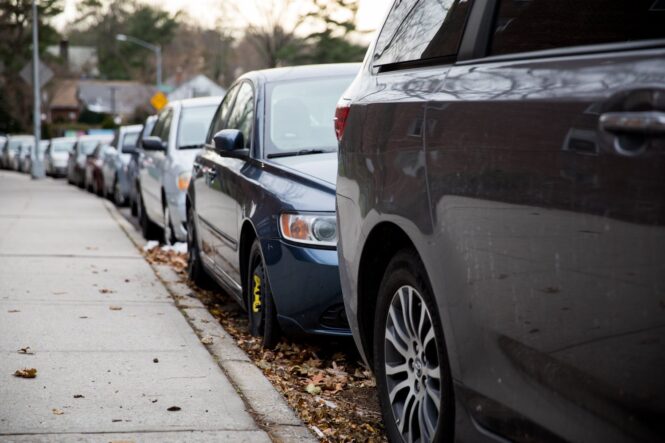
Battery preparation deserves more attention when the car will sit unused for several weeks rather than a few days. A healthy battery may cope with the break without any drama, but an older or already struggling battery has less room for error.
If starts have recently sounded slower than usual, have the battery checked before travelling. It is also worth unplugging unnecessary accessories such as chargers, dash-mounted devices or anything connected to a power outlet if they do not need to remain active.
For genuinely extended storage, a suitable battery maintainer can be useful when the vehicle is parked somewhere with safe access to power and the manufacturer’s instructions allow it. AAA notes that vehicles left unused for extended periods naturally experience battery discharge and recommends maintenance chargers as one option for keeping batteries charged during longer periods without regular driving.
If the car is being left at an airport or public parking facility, however, practical options will depend on the facility and the length of your trip.
Make the Return Easier
It’s surprisingly easy to forget where you parked after a few days away, let alone a few weeks. Taking a quick photo of the parking area, level, bay number or nearby landmark can spare you the joyless post-flight wander through rows of identical cars.
Also read: Tips for Troubleshooting Basic Car Problems
You may also want to keep your parking ticket, booking confirmation or access details somewhere easy to find. After travel delays, customs queues or a late arrival, nobody wants to dig through emails at the boom gate while the car behind waits impatiently.
A Little Preparation Goes a Long Way
Long-term parking doesn’t need to be complicated, but it does reward a bit of planning. Choose a sensible spot, clear the car out, check the basics and make sure the return process will be easy.
That way, when the trip’s over, your car is one less thing to worry about. You can get in, start the engine, head home and leave the travel stress at the terminal.