Imagup General Magazine 2025
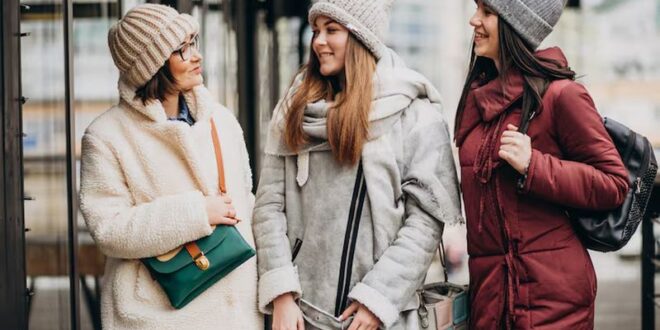
Winter fashion in 2026 is not about extreme runway statements or impractical silhouettes that only work in photos. The strongest trends this season are built around real clothing for real life. Designers clearly understood that people want warmth, durability, comfort, and flexibility without giving up style.
What makes 2026 different is that trends are not pushing people into one exact look. Instead, they offer tools you can adapt to your daily routine, whether you commute, walk a lot, sit in offices, travel, or spend time outdoors.
This winter is defined by three things above all: practical layering, refined simplicity, and thoughtful details. The fashion industry is finally aligning with how people actually dress in cold weather. Below are the winter fashion trends of 2026 that truly work in everyday outfits, not just in theory, on the streets, in offices, cafés, and in daily life.
1. Relaxed Tailoring Instead of Tight Structure
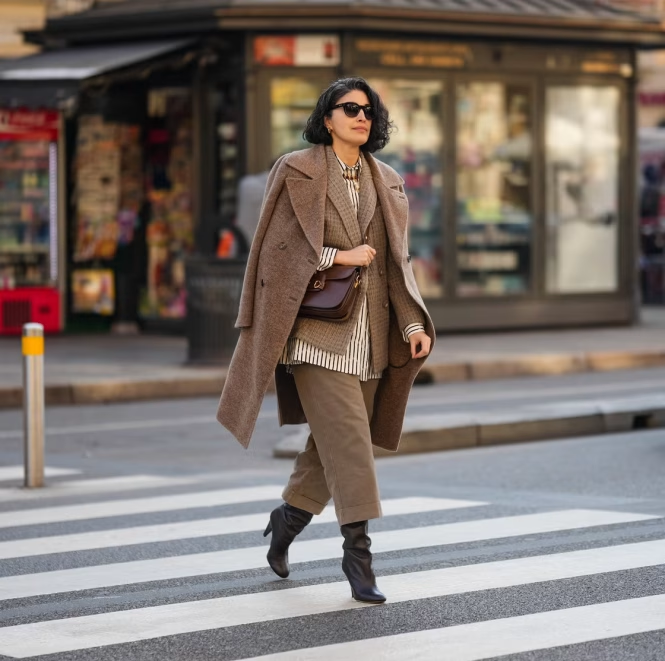
One of the strongest shifts you will notice this winter is the move away from sharp, stiff tailoring toward relaxed structure. Blazers, coats, and trousers are still tailored, but they no longer look rigid. The shoulders are softer. The waist is less constricted. The fabrics are thicker and warmer.
This trend works extremely well for everyday outfits because it allows you to look polished without feeling restricted. A relaxed wool blazer over a knit sweater works just as well for work as it does for a casual lunch. Wide-leg tailored trousers pair nicely with both boots and sneakers. Even long winter coats now feel more fluid when you move, which is something people truly feel during daily wear.
In practical terms, this means fewer uncomfortable seams, fewer tight armholes, and far more versatility between formal and casual looks.
2. Natural Colors That Are Easy to Combine
Winter 2026 is dominated by earth-based color palettes. Think warm browns, stone gray, olive, charcoal, deep sand, mushroom beige, muted navy, and softened black. Even when brighter tones appear, they stay grounded and wearable, such as dusty blue, wine red, or forest green.
These colors work so well in everyday outfits because they are easy to layer and mix without clashing. A beige coat works with almost everything. Olive trousers match with gray, black, cream, or denim. Deep brown boots fit under nearly any outfit.
This also reduces the pressure of constant trend replacement. If you invest in neutral winter clothing in 2026, most of it will still look current years later. The trend is not fast or flashy. It is a long-term wearable style.
3. Smart Layering Becomes the Main Styling Tool
Layering is not just about warmth anymore. In 2026, it becomes the core styling technique. Outfits are built in layers that can be adjusted throughout the day. Lightweight thermal tops under cotton shirts. Shirt dresses worn over knit turtlenecks. Thin padded vests layered under coats. Scarves and knit collars are replacing bulky sweaters indoors.
This works extremely well for everyday use because people move between different temperature environments all day. Shops, offices, public transport, and outdoor streets all feel different. Smart layering allows you to adapt without changing your entire outfit.
4. Functional Outerwear Takes Center Stage
Coats and jackets are not just visual centerpieces anymore. They are now judged heavily by performance. Waterproof finishes, windproof fabrics, breathable insulation, and modular design elements are all dominating winter 2026 outerwear.
Puffer coats are slimmer but warmer due to better insulation technology. Wool coats now often include internal wind barriers. Parkas feature hidden drawstrings to adjust shape. Even trench-style winter coats now come with quilted linings that can be removed on warmer days.
This makes outerwear a true workhorse piece instead of just something worn for appearance.
5. Everyday Knitwear Gets More Elegant
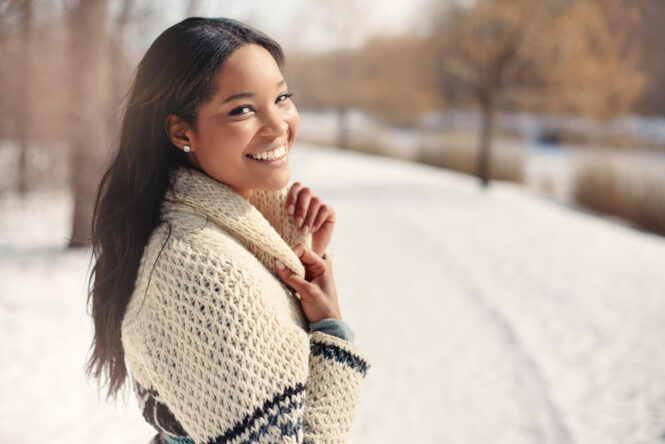
Knitwear in previous winters was either chunky and casual or thin and basic. In 2026, knitwear becomes structured and refined. Ribbed textures, seamless construction, sculpted sleeves, and subtle shaping elevate sweaters into centerpiece garments.
You will see more matching knit sets, like sweater-and-skirt or sweater-and-trouser combinations. This allows you to dress quickly while still looking put together. Knit dresses are also stronger than ever, offering warmth with almost no effort.
This trend is especially powerful for people who value comfort without looking casual.
6. Accessories Become the Personality Layer of the Outfit
By mid-winter, outfits start to look similar due to the repetition of coats and boots. In 2026, accessories become the layer that gives outfits identity. Gloves, scarves, belts, hats, and watches carry far more styling responsibility than in previous seasons.
This is exactly where details like jewelry and timepieces come into play. A neutral winter outfit built from beige trousers, a gray knit, and a black coat can look completely different depending on the accessories you choose. This season especially favors warm-toned metals, which pair beautifully with neutral fabrics.
This is where a guld klocka dam can anchor an outfit visually by bringing warmth and contrast to winter layers. When combined with knit textures and wool fabrics, gold tones add subtle richness without overpowering the look. Pieces like this work especially well when paired with structured coats, soft knits, and neutral color palettes because they introduce balance between softness and precision.
In everyday life, this matters because accessories are easy to rotate even when the rest of the outfit stays the same. You might wear the same coat all winter, but your accessories can change every single day.
7. Footwear Trends Focus on Stability and Comfort
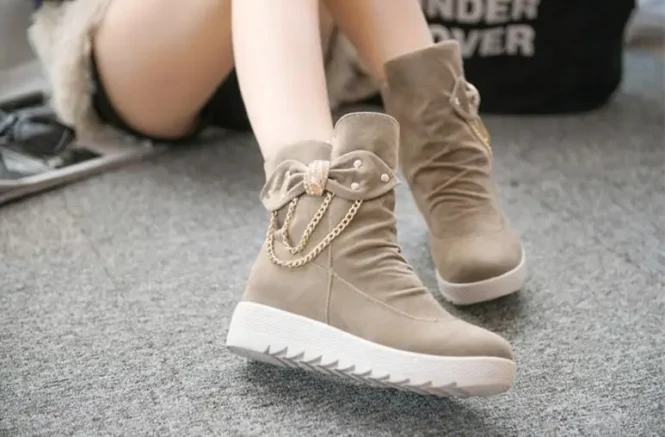
Winter 2026 footwear clearly prioritizes stability, insulation, and ergonomic soles. Platform soles are still present but are now engineered for walking. Lug soles appear on refined boots instead of only on hiking styles. Square toes dominate over sharp points for better balance and comfort.
Leather remains dominant, but soft matte finishes are preferred over high shine. Knee-high boots return strongly, but they are slightly wider in the shaft for real movement, not just visual drama.
For everyday outfits, this means you finally do not have to choose between fashion and practicality. The trend itself now demands both.
8. Denim Becomes Softer and Warmer
Winter denim in 2026 shifts toward heavier, brushed, and lined fabrics. Straight-leg and wide-leg cuts remain dominant, but with higher waistlines and reinforced stitching for warmth and durability.
Cold-weather washing techniques give denim richer, deeper tones, especially dark indigo and charcoal black. This makes it easier to pair jeans with winter knits, coats, and boots without creating harsh contrast.
Denim is now worn as a true winter material, not just a year-round constant carried into cold weather without modification.
9. Minimalist Streetwear Merges With Classic Fashion
The boundary between streetwear and classic everyday fashion continues to dissolve. Hoodies appear under wool coats. Sneakers are paired with knit dresses. Jogger-style trousers are made from wool blends and styled with loafers and structured jackets.
This fusion works because it reflects how people actually live. You might go from a café to work to walking in the city in one outfit. This trend allows for that transition without needing to change.
However, logos and loud branding continue to decline. The focus is on silhouette, fabric quality, and fit instead of attention-grabbing prints.
10. Sustainability Shapes Buying Behavior, Not Just Design
Winter 2026 is also defined by buying fewer pieces with higher durability. People care more about repairable garments, timeless colors, and materials that last multiple winters. This affects everything from coats to boots to accessories.
This is no longer a marketing theme. It is visible in wardrobe behavior. Shoppers are choosing items they can realistically wear for five years, not one season. The fashion industry is responding by producing fewer trend-driven gimmicks and more long-lifecycle garments.
What This Means for Your Actual Daily Outfits
The biggest strength of winter fashion 2026 is that it finally aligns with everyday life. You can build real outfits without feeling either underdressed or overstyled. A typical functional outfit this season might include:
A soft structured wool coat in beige or gray. A ribbed knit sweater in ivory or charcoal. Straight-leg lined denim or wide tailored wool trousers. Matte leather boots with lug soles. A scarf in a natural tone. And one defined accessory, such as a warm-toned watch, belt, or glove, to give the outfit character.
These elements all belong to current trends, yet they do not feel forced or costume-like. They feel like a natural progression of everyday clothing.
Final Thoughts
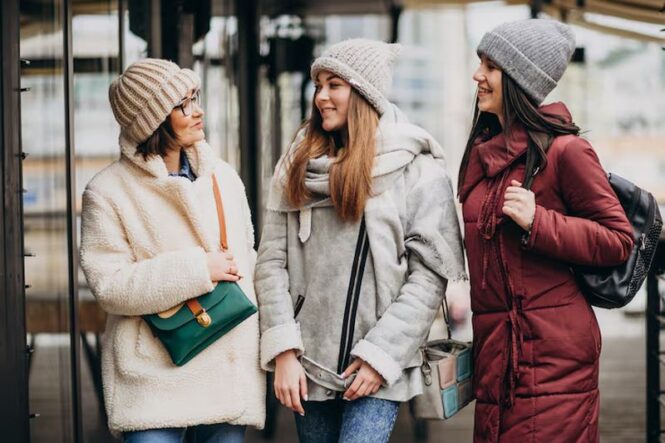
Winter fashion in 2026 is not about chasing extremes. It is about balance. Warmth without bulk. Structure without stiffness. Style without discomfort. Trends now function as practical improvements instead of visual experiments.
The strongest takeaway is simple. If a piece of clothing does not work across your real daily routine, it does not belong in this season’s core wardrobe. Fashion finally caught up with how people actually move, commute, work, and live during winter.