Imagup General Magazine 2025
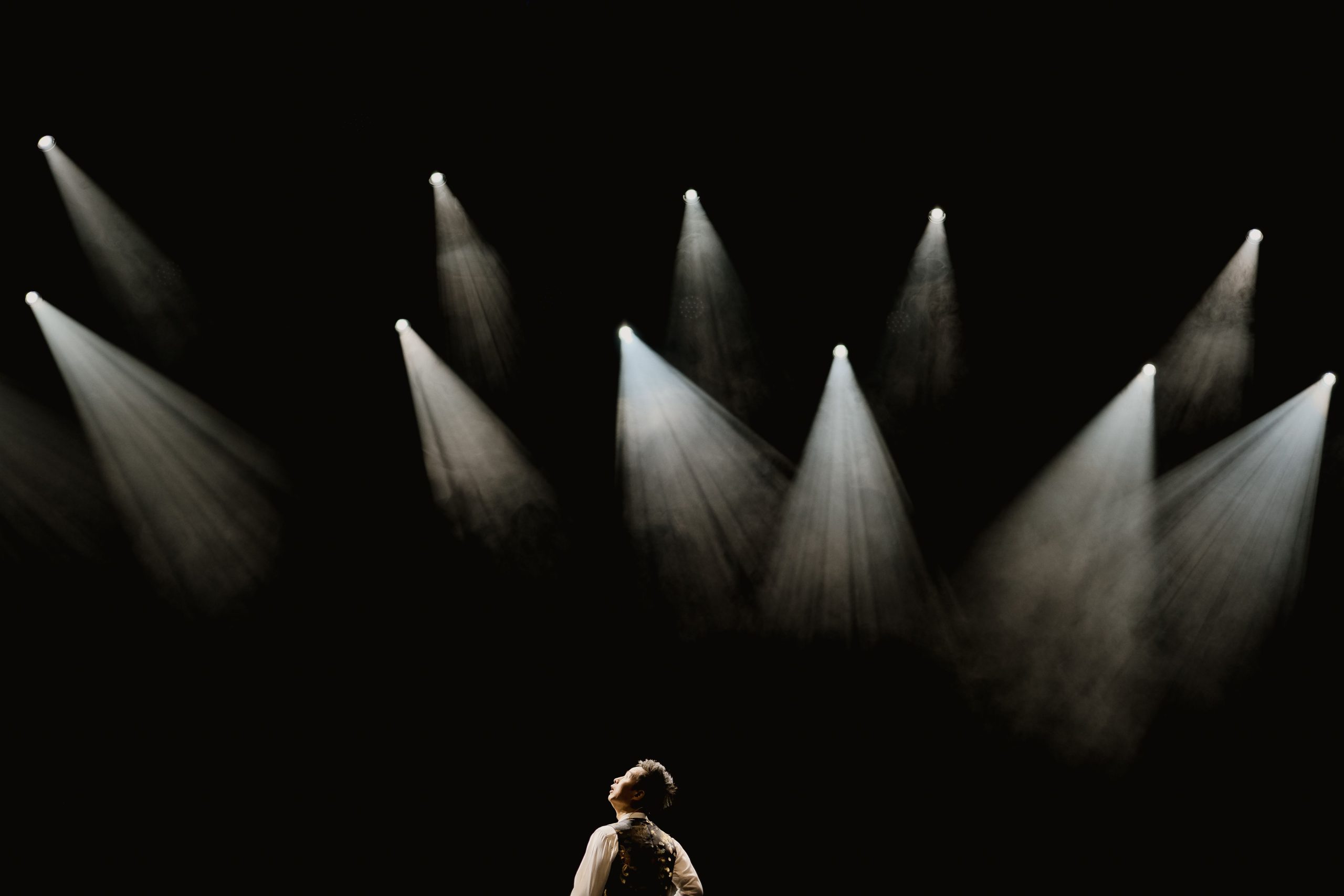
Think about the last time a room full of people looked at you on purpose. A birthday with the candles lit. A wedding toast. The moment your name is called for an award you did not see coming. For a few minutes the whole event revolves around you – and for most adults, that memory is older than we like to admit.
This post makes a simple argument: everyone deserves to feel like the center of attention sometimes, and we have quietly become terrible at granting ourselves permission to want it.

The spotlight we fear is a phantom. The one we crave is real.
Psychology has a name for the light we dread, and it is an illusion. The spotlight effect, documented by Thomas Gilovich and his colleagues in the classic study that gave the effect its name, works like this: volunteers put on an embarrassing T-shirt, walked into a room of strangers, and then guessed how many people had noticed it. They guessed roughly double the real number. Blunders, bad hair days, the joke that flopped – we are convinced the whole room registered them. It almost never did.
But here is the part nobody dwells on. The same people who overestimate how often they are being watched are, in the same breath, starving for what that light would provide. We dodge a spotlight that is barely on us and then wonder why no one ever seems to look our way. My read is that we have the whole story backwards: the attention we fear is mostly a phantom, while the attention we actually want is genuinely scarce.
Attention is the quiet engine of “mattering”
Researchers began naming this need decades ago. In 1981, Rosenberg and McCullough introduced the concept of mattering – the sense of being significant to the people around you – and broke it into three components: that others depend on you, that others consider you important, and that others actively pay attention to you. Tellingly, they considered being a focus of attention the most central piece of all. Being the center of attention was never a frivolous wish in this literature. It is the beating heart of feeling that you count.
The link between that feeling and a well-lived life is not hand-waving. A 2024 meta-analysis of 30 studies in the Journal of Happiness Studies found a solid correlation between feeling that you matter and overall well-being (r = 0.41), strongest of all for the deeper, meaning-oriented kind of happiness. This is not about ego. People who feel unseen do measurably worse; people who feel they matter tend to flourish (the studies mostly show correlation rather than proof of cause, but the pattern is stubbornly consistent).

Wanting attention is not “attention-seeking”
Say the phrase center of attention out loud and watch the room shift. We treat the wish as a character flaw, an admission of neediness, something to be outgrown like a childhood toy. Children hear it early: don’t be so attention-seeking. There is a version of that warning worth taking seriously. A room holds only so much attention, and the person who grabs all of it – who interrupts, performs, steers every topic back to themselves – drains everyone in it. That is a real failure, and it is rightly policed.
But there is a difference between grabbing attention and being given it, and we have let the two blur into one. Chronic grabbing is usually a symptom of starvation, not vanity. And the research is blunt about what real appreciation does. In a 2022 study of more than 2,000 cohabiting adults, researchers found that feeling appreciated by a partner completely erased the relationship damage normally caused by doing more than your fair share of the housework. The exhausted partner who felt seen stayed satisfied; the one who felt taken for granted soured. Being noticed is flattery. Being appreciated is evidence – proof that someone registered what you give.
Now consider who goes longest without that proof. It is almost never the loudest person in the room. It is the parent, the default organiser, the friend who always listens, the colleague who quietly fixes what everyone else broke. The people who hand out the most attention are exactly the ones we ration it from.
How to claim your turn in the light
First, stop waiting to be invited. Adults rarely get coronation moments handed to them, so they have to be made. Keep your birthday a real event instead of letting it dissolve into a week of calendar notifications. Tell someone about the thing you are proud of rather than waiting to be asked. Take a class, join a choir, give a talk – anything that puts you in front of people who have chosen to watch. The point is not performance for its own sake; it is reminding yourself, in a body, that being seen is allowed.

Second, be honest that some needs cannot be met by the people who love you – not because they do not care, but because they are tired and distracted and carrying their own hungers. Sometimes you want an evening where you do not have to manage anyone else’s mood, where the entire job of the person across the table is to find you interesting. That is exactly the gap professional companionship fills, and there is no shame in booking it: a companion like Louisa builds whole evenings around making the person in front of her feel genuinely fascinating, with undivided attention bought honestly and no debt of reciprocation attached.
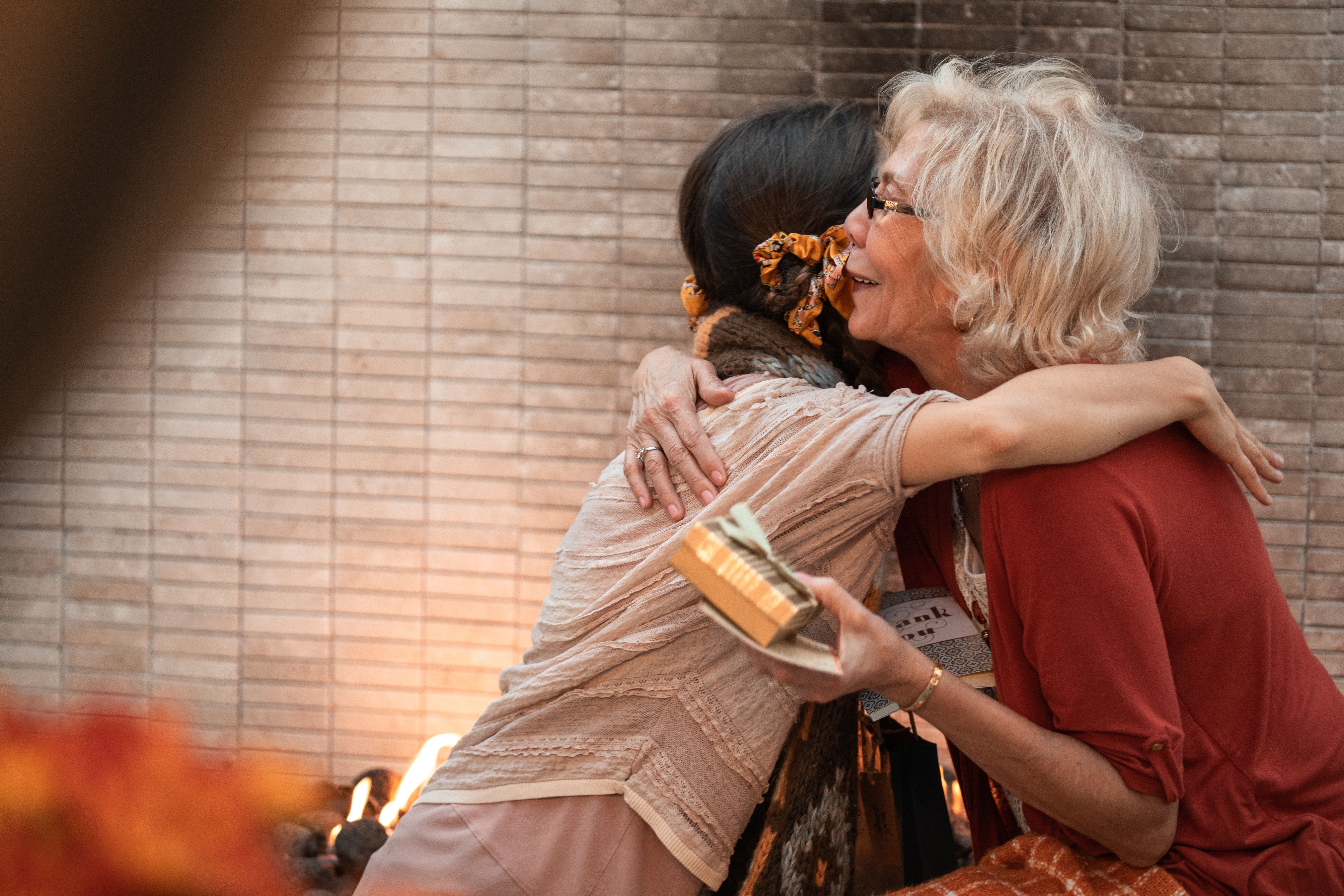
Third, give it away. Attention is the rare resource that multiplies when spent. Watch for the person at the party who is clearly hoping someone will ask, and ask. Take a friend’s fortieth birthday as seriously as a child’s. When you hand people their moments with real focus – phone down, questions asked, no glance at the door – you are not losing your own share of the light. You are teaching everyone around you that turning toward someone is normal, which is the only way any of us learn to stop turning away.
Deserving the center of attention has nothing to do with being exceptional. It is a maintenance task, like sleep or eating well. When the room does turn toward you – at a party, a dinner, an evening with someone who has no other agenda – do not deflect, do not crack a self-deprecating joke and hand the moment back. Let yourself be the center for as long as it lasts, then take your turn doing the same for someone else. We are all running low on being seen. The fix starts with admitting we need it.