Imagup General Magazine 2025

A first visit to any website is a small leap of faith. Someone lands on a page they have never seen, is asked for an email address or a card number, and has to decide within seconds whether the platform looks legitimate. Most people never say it out loud, but they are asking the same questions every time: who runs this, is my information safe, and what happens if something goes wrong?
For online platforms, the answers to those questions decide whether a newcomer becomes a regular customer or leaves and never comes back. Trust is not a single feature you can switch on. It is built from many small signals that add up during the first few minutes of a visit, and from how the platform behaves after the user has signed up.
Why First Impressions Carry So Much Weight

Research on web credibility has long shown that people judge a site quickly, often by its look alone. Stanford’s Web Credibility Project found that visual design shapes those first judgments, and that small errors such as typos or broken links can damage credibility faster than most operators expect. A platform that looks careless on its first screen has to work much harder to prove itself later.
That is why many teams now treat the first visit as a design problem as well as a marketing one. Clear navigation, consistent typography, and a sensible layout tell visitors that someone has thought about them.
Showing Who Stands Behind the Platform
People are more willing to trust a platform when they can see a real organization behind it. A physical address, a working phone number, and a named support email all help. Stanford’s guidelines suggest that listing a physical address is the easiest way to show a business is legitimate, and that team bios or office photos can make a site feel less anonymous.
Transparency about ownership matters too. Readers who compare operators often want to know who is running a site and how it makes money. Comparison platforms such as Crazyvegas show one way this can work, laying out their online casino listings so visitors can review options before committing to anything. You can browse them directly at https://www.crazyvegas.com/au/online-casinos/
Social Proof From Real Users

Reviews are often the first thing a newcomer checks. Star ratings, written testimonials, and independent review pages signal that other people have already taken the risk and come out fine. The catch is that people can tell when reviews look fake. Platforms that show a mix of positive and critical feedback, and that respond to complaints in public, tend to earn more credibility than those with uniformly perfect scores.
Recency helps as well. Stanford’s research notes that users give more credibility to sites that show they have been updated or reviewed recently, so a visible “last reviewed” date is a small but useful signal.
Clear Terms, Pricing, and No Surprises
Hidden fees and buried terms are among the fastest ways to lose a first-time user. When a platform states its costs up front, explains its rules in plain language, and separates promotional content from the core service, users feel respected. Stanford’s guidelines make a similar point, recommending that sponsored content be clearly distinguished from the site’s own material and that writing be clear, direct, and sincere.
Plain language does more than satisfy compliance teams. It reduces anxiety. A newcomer who understands what they are agreeing to is far less likely to abandon the process halfway through or complain later.
Login Security and Account Protection
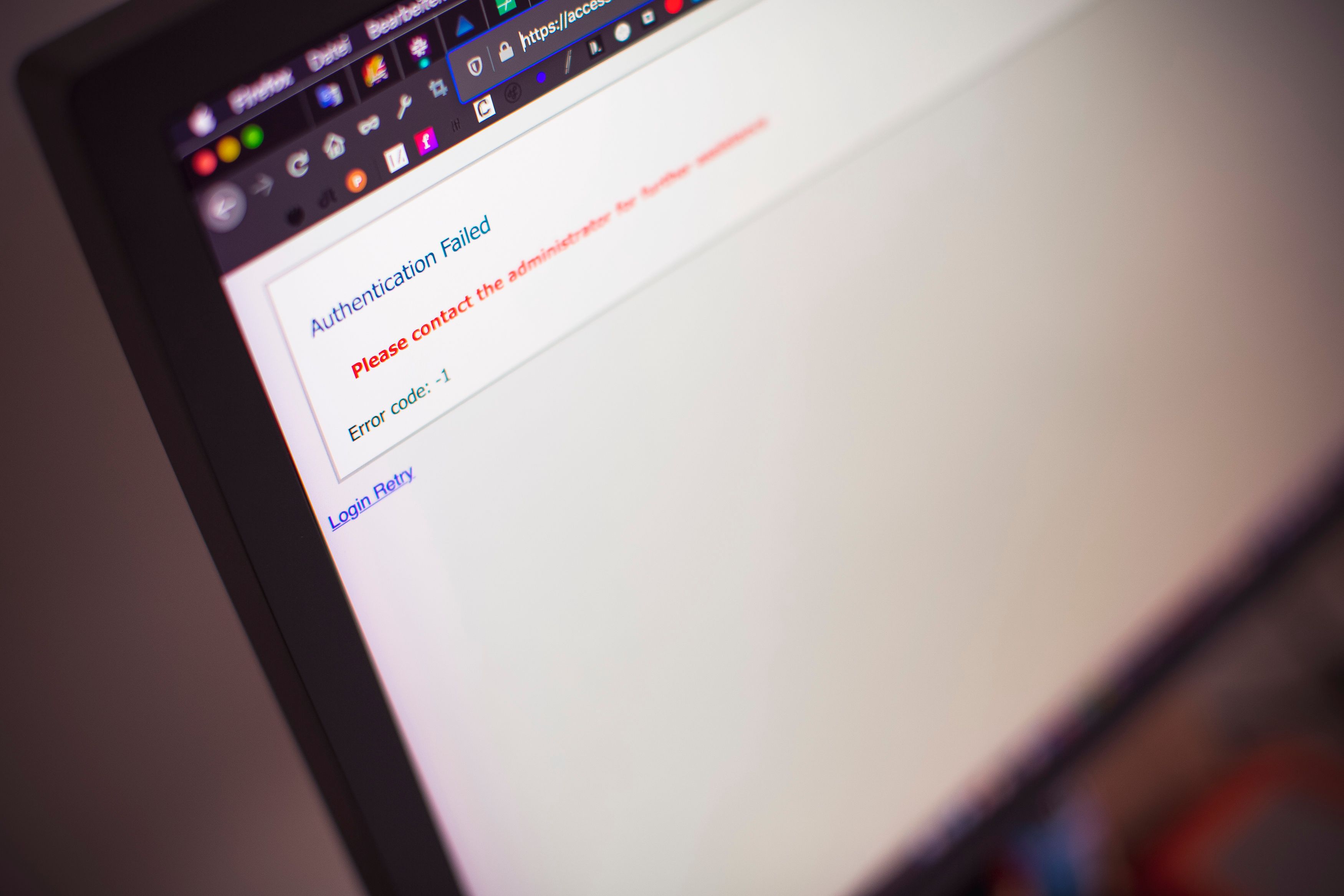
Account access is where many first-time users feel most exposed. A failed login message, an unexpected verification prompt, or a password reset email that never arrives can make a platform feel unreliable, even when the cause is a harmless timeout. Good platforms explain errors in specific, calm language and tell users what to do next instead of leaving them guessing.
Security standards back this up. The NIST SP 800-63B digital identity guidelines set out how authentication should work at different assurance levels, including support for multi-factor sign-in and the advice that verifiers allow password managers and autofill. Platforms that follow this kind of guidance give first-time users a concrete reason to believe their accounts are safe.
Support That Responds When Something Goes Wrong
Trust is tested most when something breaks. A newcomer who gets a quick, human response to a question is far more likely to stay than one who is stuck in an automated loop with no exit. Listing support hours, offering several contact channels, and publishing typical response times all reduce the uncertainty first-time users feel.
Broken links and outdated help pages deserve attention here too. A help article that points to a dead page signals neglect, and that signal tends to spread to the rest of the platform.
Secure Payments and Responsible First Steps

When money is involved, the payment step carries the most weight. Users look for recognized payment methods, visible security indicators, and confirmation screens that show exactly what they are paying for. Platforms that let users review a transaction before confirming, and that send a receipt immediately afterwards, avoid the nagging doubt that leads to abandoned checkouts.
Responsible design matters as well. Limits that users can set themselves, easy-to-find information about managing spending, and prompts that encourage a pause before large decisions all show that the platform cares about the user’s wellbeing, not only the first transaction.
Earning Trust Over the Long Run
Trust with first-time users is rarely won in a single moment. It builds through consistent, honest behavior: accurate information, prompt answers, secure accounts, and no surprises at checkout. A platform that gets these basics right gives newcomers a reason to return, and returning users are the ones most likely to recommend it to others.
If you are building or evaluating an online platform, start with the first five minutes. Walk through sign-up, login, and checkout as if you were a stranger, and note every moment you hesitate. Those hesitations mark the places where trust is quietly being lost, and they are usually the fastest fixes available.