 Imagup General Magazine 2025
Home elevators used to belong to a very specific kind of house — the kind with a grand staircase, a formal dining room, and a staff. That image has aged out. Today, residential elevators are being installed in ordinary family homes across North America, and the reasons people are choosing them have become far more practical and personal than they once were.
Whether you’re planning ahead for aging parents, adapting your home after an injury, or simply tired of carrying laundry up three flights of stairs, a residential elevator might be closer to your reality than you think. But before you commit, there’s a reasonable amount to understand about how they work, what installation involves, and what to look for.
The Different Types Available
Not every residential elevator works the same way, and the differences matter more than most people realize before they start researching.
Hydraulic elevators are among the most common and use a fluid-driven piston system to move the cab. They’re smooth and reliable, though they typically require a separate machine room and can be noisier than newer alternatives. Cable-driven elevators work similarly to commercial lifts and are a solid choice for homes with the structural setup to support them.
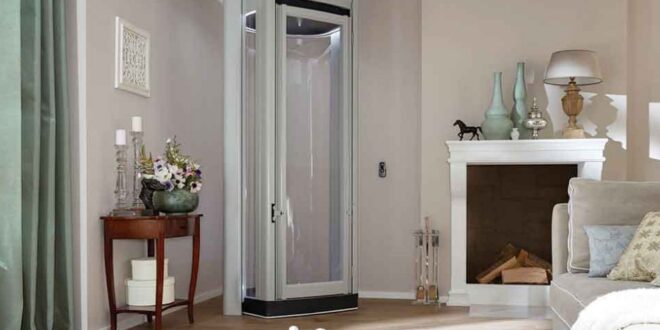
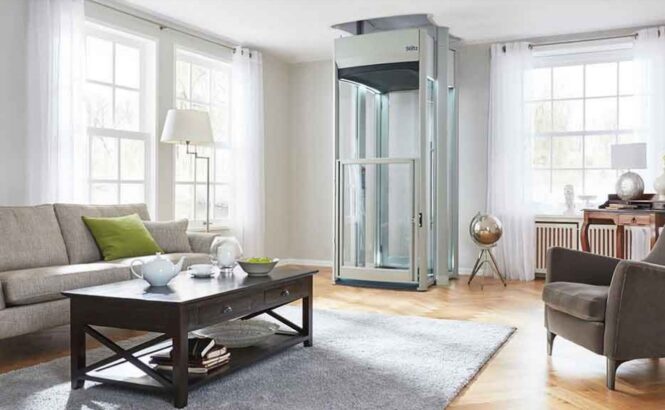
Then there are pneumatic and vacuum-driven models, which use air pressure changes to move the cab through a transparent shaft. A clear residential elevator of this kind has become increasingly popular in contemporary homes precisely because the design is unobtrusive — the shaft blends into the space rather than dominating it. There’s no pit, no machine room, and installation is considerably less invasive than traditional options.
Understanding which type suits your home is one of the first decisions you’ll make, and it’s worth reading guidance from sources like the National Association of Home Builders on what structural modifications different elevator types typically require before committing to a quote.
What Installation Actually Involves
One of the most common misconceptions about home elevators is that installation always means major construction. In some cases it does — but not always.
Traditional hydraulic or cable elevators typically require a shaft to be built, a pit dug at the base, and in many cases a machine room on an upper floor or in an adjacent space. This can mean cutting through floors, reinforcing load-bearing walls, and a project timeline measured in weeks rather than days.
Newer designs, particularly self-supporting models, sidestep much of that. They arrive as modular units, are assembled on-site, and require no shaft construction or pit excavation. In many cases, the only structural work needed is cutting an opening between floors. For homeowners in existing properties, this distinction is significant — both in terms of disruption during installation and overall cost.
Always get a structural assessment done before finalizing any decision. What works in a new build may require adaptation in a home that’s thirty years old.
Safety Standards and Certifications to Check

Residential elevators in North America are subject to safety standards set out by ASME — the American Society of Mechanical Engineers. The relevant code is ASME A17.1/CSA B44, which covers everything from load capacity and door interlock systems to emergency lowering and lighting requirements. Any elevator you consider should be fully compliant with the version of this standard current at the time of installation.
Beyond the equipment itself, installation must typically be permitted and inspected by your local building authority. This step is non-negotiable and not just a formality — an uninspected elevator installation can create complications with home insurance and resale down the line.
Ask any supplier or installer for documentation of compliance before signing anything. A reputable company will have this ready without hesitation.
Running Costs and Maintenance
The upfront cost of a residential elevator gets most of the attention, but the ongoing costs are worth factoring in from the start.
Power consumption varies by type. Pneumatic elevators tend to be among the most energy-efficient, using power only on the upward journey and descending by gravity and controlled air release. Hydraulic models consume more energy per trip. For a rough comparison, most residential elevators cost somewhere between $200 and $500 per year in electricity depending on usage frequency and the system type.
Maintenance contracts are standard in the industry and generally recommended. The Elevator Escalator Safety Foundation advises that home elevators should be serviced at least once a year by a certified technician — checking cables or drive systems, lubricating components, testing safety features, and inspecting door mechanisms. Skipping routine maintenance is where most reliability problems begin.
Planning for Future Accessibility
One factor that often gets overlooked during the early stages of planning is how a residential elevator can support changing mobility needs over time. Many homeowners initially install an elevator for convenience, but later find it becomes an essential feature for maintaining independence as family circumstances evolve.
Stairs that seem manageable today may become challenging due to aging, temporary injuries, or health conditions that limit movement between floors. Installing an elevator before it becomes a necessity can be more practical and less stressful than undertaking a major renovation later.
It also allows homeowners to remain in a property they already love rather than considering a move solely for accessibility reasons. Families caring for elderly relatives often find that an elevator simplifies daily life by making every level of the home equally accessible.
In homes designed with long-term living in mind, accessibility improvements are increasingly viewed as smart investments rather than specialized modifications. By considering future needs during the planning process, homeowners can create a more adaptable living environment that remains comfortable, functional, and welcoming for many years to come.
The Value It Adds to Your Home
A residential elevator isn’t just a functional upgrade — it’s a feature that has real bearing on property value, particularly as buyer demographics shift.
As more buyers enter the market looking for homes that can accommodate multigenerational living or long-term accessibility needs, an already-installed elevator removes a significant planning hurdle. For homes in the mid-to-upper price range, it’s increasingly considered an asset rather than a niche modification.
That said, the value isn’t purely financial. The practical freedom it provides — the ability to move through your entire home without limitation, now or in the future — is something that’s difficult to quantify but easy to appreciate once it’s there. Most homeowners who install one say the same thing afterward: they wish they’d done it sooner.
