 Imagup General Magazine 2025
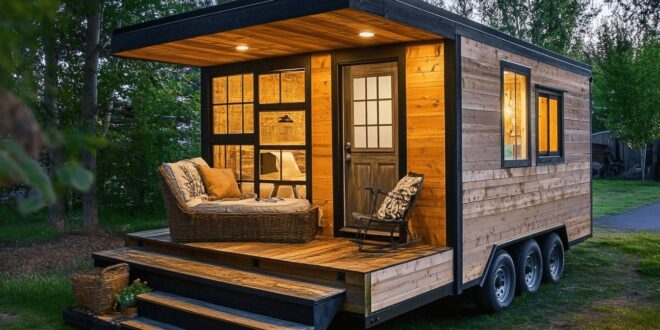
Have you ever noticed how many people dream about downsizing, yet very few actually manage to build and live in a tiny house legally?
It is not because people give up on the idea or lose interest.
The reality is that zoning rules quietly block many projects before they even get through the planning stage.
Cities and counties love order, regulation, and paperwork, and tiny houses challenge traditional definitions of housing.
That is where problems begin. Before anyone talks about layouts, budgets, or décor, zoning rules must be understood clearly, because they can determine whether a project becomes a home or remains an abandoned idea.
Why zoning rules matter more than most people expect
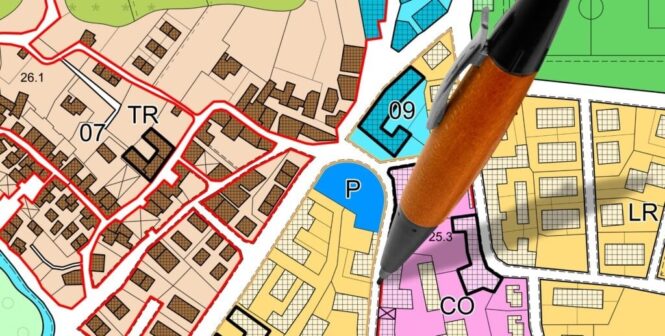
Many people start researching materials and interior design before checking the single most important thing: whether their tiny house is even allowed where they want to place it.
Zoning regulations decide what can be built, how large it must be, and how it can be used.
They are not simply technical guidelines, they are legal boundaries that either open the door or completely shut it.
- Zoning sets minimum house size requirements.
- It determines whether residential land can legally host small dwellings.
- It controls whether someone can live in a structure full time or only temporarily.
Ignoring these rules often leads to frustration, legal notices, unexpected costs, or having to move the home entirely.
Where do people usually place small homes and why rules block them
When people think about living small, they imagine relaxing spaces, freedom, and a more intentional lifestyle. They imagine beautiful locations, smaller costs, and simplicity. That dream is very real and achievable, but only when legality supports it.
Many enthusiasts explore tiny houses because they represent independence, clever design, and financial relief.
Yet local governments often label them as unconventional structures that do not fit existing housing definitions. This is why researching local regulations is not optional, it is essential.
Local governments may classify them as RVs, accessory structures, or unconventional dwellings, and each category comes with different restrictions.
That is often the first big reality check.
Minimum size requirements that instantly disqualify many builds
One of the most common zoning barriers is minimum dwelling size rules.
Many municipalities still base regulations on decades-old housing standards that never imagined someone choosing to live comfortably in a smaller space.
These rules often state that a permanent residence must have a minimum square footage that far exceeds what a tiny house offers.
In many areas, this makes beautifully designed, efficient spaces technically illegal as primary homes.
Even when the designs meet safety expectations, the rule alone can stop the project. What feels logical to a homeowner may simply not align with an older regulatory mindset that equates bigger with “proper housing”.
Important regulatory reality: Minimum size laws were originally designed to ensure safe, livable conditions, but today they sometimes limit modern, efficient housing solutions rather than protect residents.
This single detail has stopped thousands of projects before foundations were ever poured.
Permanent foundation vs wheels and why that difference changes everything
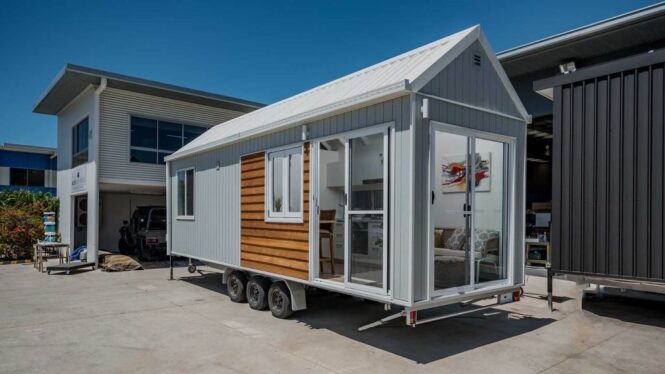
Zoning departments care a lot about whether a home has a permanent foundation. A tiny home on wheels is often treated like a recreational vehicle rather than a legitimate residence.
That brings a long list of complications. Some locations allow RVs to stay only temporarily. Others ban full-time living in them completely.
Even if the home is safe, sturdy, and designed for permanent living, its classification creates legal limitations.
On the other hand, when someone chooses a permanent foundation, the project often enters the world of traditional construction rules.
That usually means stricter inspections, building codes, taxes, and additional paperwork. So the question is not only where someone wants to live, but also what form of structure the law considers acceptable.
Utility connections and infrastructure rules that surprise new owners
Several people assume that small homes automatically mean simpler logistics. However, zoning rules often require compliance with the same standards as larger houses.
That includes sanitation, water supply, and electricity.
Local authorities may demand approved sewer connections instead of composting toilets, licensed electrical connections, and documented access to clean water.
Here is where many face problems. Some tiny house designs rely on alternative systems that do not fit these expectations.
Others are placed in rural land without established municipal infrastructure.
Suddenly, what was meant to be a simpler, more sustainable life becomes a negotiation with regulations that were written for conventional homes.
Key points often enforced by zoning authorities:
- Proof of safe wastewater disposal
- Verified power connections or approved off-grid systems
- Compliance with health and safety standards
Zoning categories that make or break a tiny house plan
Zoning rules are built to categorize land. If the category does not include your kind of living, the answer is usually no.
Residential zones often define what “a house” must be, agricultural land sometimes restricts permanent residences, and rural land is not always as flexible as people expect.
Here is a simple overview to understand how zoning types commonly react to small homes:
| Zoning Type | Typical Reaction to Tiny Houses |
| Standard Residential Zones | Often restrictive due to size and structure rules |
| Rural or Agricultural Zones | Sometimes more flexible, but full of specific limitations |
| Special Tiny Home or Flexible Zones | Increasingly available in select areas |
Even when rules allow flexibility, the approval process may include applications, hearings, or neighborhood review.
Understanding this early prevents expensive disappointment later.
Under that table lies a very real lesson: location and legal classification are as important as design.
Why many cities still hesitate to fully welcome small living
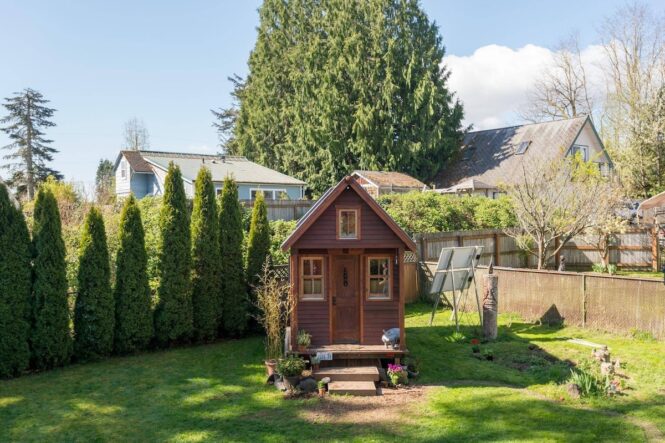
It may feel surprising, but resistance to tiny houses is rarely emotional. It is often based on financial, political, and social concerns.
Local governments worry about property value consistency, tax revenue, neighborhood character, and infrastructure management.
Zoning systems were built for predictability and control, while tiny living often introduces flexibility and new interpretations of housing.
A growing number of communities are starting to update rules and recognize smaller housing as part of the future. However, not all places move at the same pace.
This means that legality depends heavily on where someone decides to live. A concept celebrated in one region may be rejected immediately in another.
Did you know?Some U.S. cities have introduced specific “tiny house friendly” ordinances to attract residents, reduce housing pressure, and encourage affordable living. Progress exists, but it is not universal.
Practical steps to avoid zoning problems before investing money
Legal issues do not have to ruin the dream of living small. The smartest projects start with research, conversation, and clear communication with authorities.
Instead of assuming rules are flexible, successful owners treat zoning requirements as a foundation step of the project.
Useful steps include:
- Checking city or county zoning codes directly
- Speaking with local building departments early
- Confirming allowed dwelling types in writing
- Considering locations already known to allow small dwellings
These actions save time, money, and emotional energy.
Final thoughts
Zoning rules are often invisible at the beginning of the tiny house journey, yet they have the power to stop everything before construction even begins.
They shape what is allowed, where it can stand, how it can function, and whether someone can legally call it home.
Understanding regulations is not the “boring part” of the process, it is the real gateway that determines whether a dream becomes a lifestyle or remains a Pinterest board idea.
Tiny houses are practical, inspiring, and meaningful to many people. When planning meets reality, legality becomes the strongest building material of them all.
