Imagup General Magazine 2025
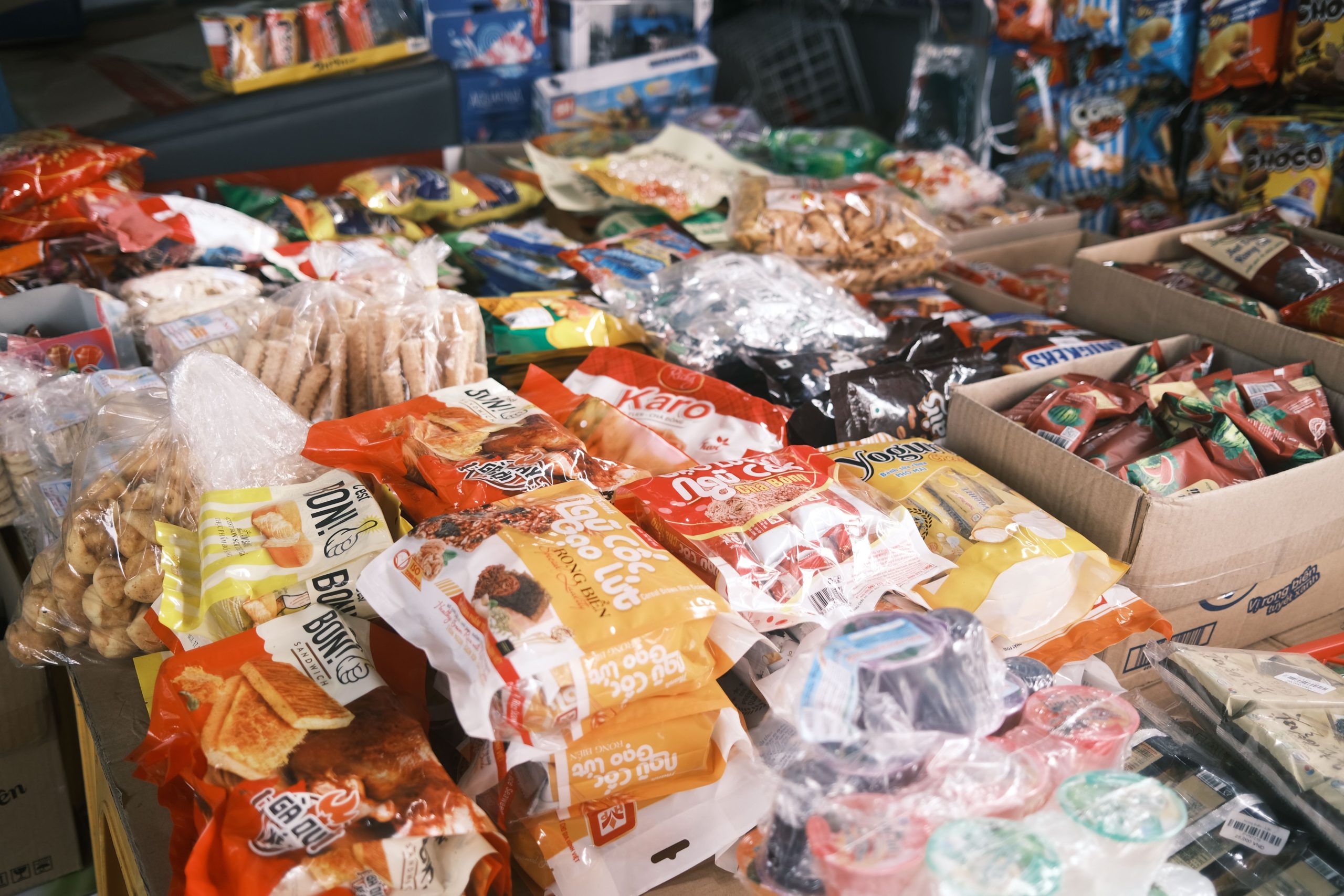
A scroll through snack videos can turn an unfamiliar flavor into something you want to try with your next movie night. Ube sweets, chamoy-coated candy and masala-seasoned chips offer tastes that differ from the usual grocery-store lineup, often in familiar, easy-to-share formats. For US shoppers in 2026, online stores make that curiosity easier to act on. The interesting question is no longer simply what to try, but how to choose imported treats with a clear understanding of what is in the package and how it will reach your door.
Why Global Flavors Are Showing Up in Everyday Snacks
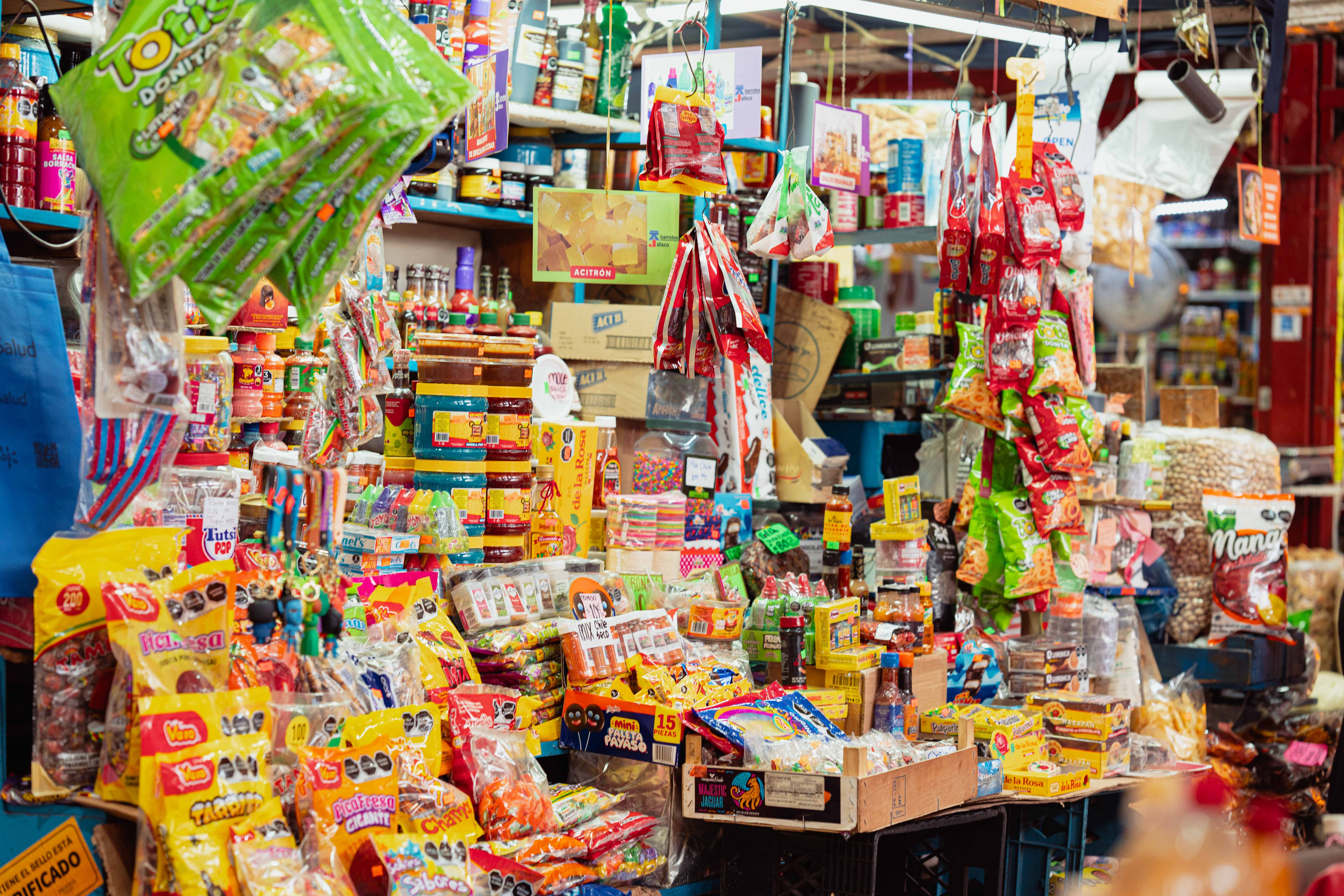
International flavors are finding their way into formats shoppers already know: wafers, gummies, chocolate, chips and bottled drinks. That familiar starting point matters. Someone may be more willing to try a new seasoning on a crisp than commit to an unfamiliar dish, while a fruit-flavored candy offers a small introduction to a taste they have seen online. A snack does not stand in for the cuisine it draws from, but it can prompt someone to learn more about an ingredient, a brand or the place where a flavor originated. For another perspective on this trend, Whole Foods Market’s discussion of international snacking highlights how global flavors are appearing in both traditional snacks and new combinations.
Short taste tests and snack hauls add another route to discovery: they let viewers see a package opened and hear a reaction before deciding whether the product sounds appealing. Together, familiar formats and easy discovery help explain the appeal of the global pantry.
Snack Tourism Makes Trying a New Cuisine Feel Manageable
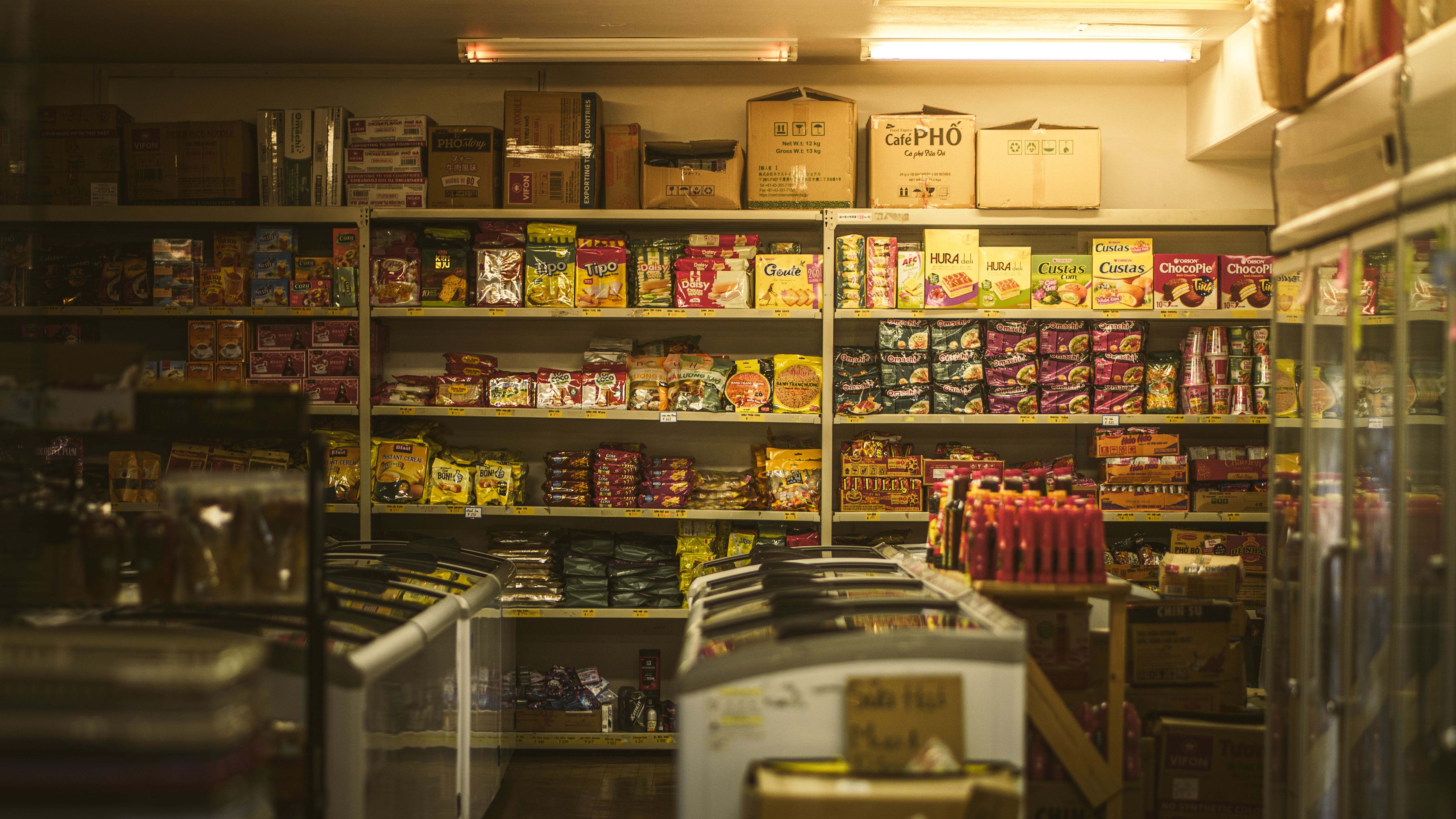
“Snack tourism” describes a modest kind of exploration: trying a flavor associated with somewhere else without planning a trip or preparing an entire meal. A single bag of chips or packet of candy is a relatively small commitment, especially when friends can share it. That makes snacks one possible starting point for exploring unfamiliar flavors and ingredients. The attraction is partly sensory and partly social; choosing something unfamiliar gives people a reason to compare reactions and talk about what they tasted.
The familiar shape of a snack can also make a surprising flavor less intimidating. A shopper who already likes chewy candy might begin with a new fruit or sour profile, while someone drawn to savory food might compare seasonings on crisps. Texture deserves as much attention as flavor: a peelable gummy, a crisp wafer and a chewy sweet create very different experiences. None of them needs to promise an “authentic taste of a country” to be worth exploring. Treating a snack as one product with its own ingredients and maker leaves room for curiosity without reducing a cuisine to a single candy.
How to Check Imported Snacks Before Ordering
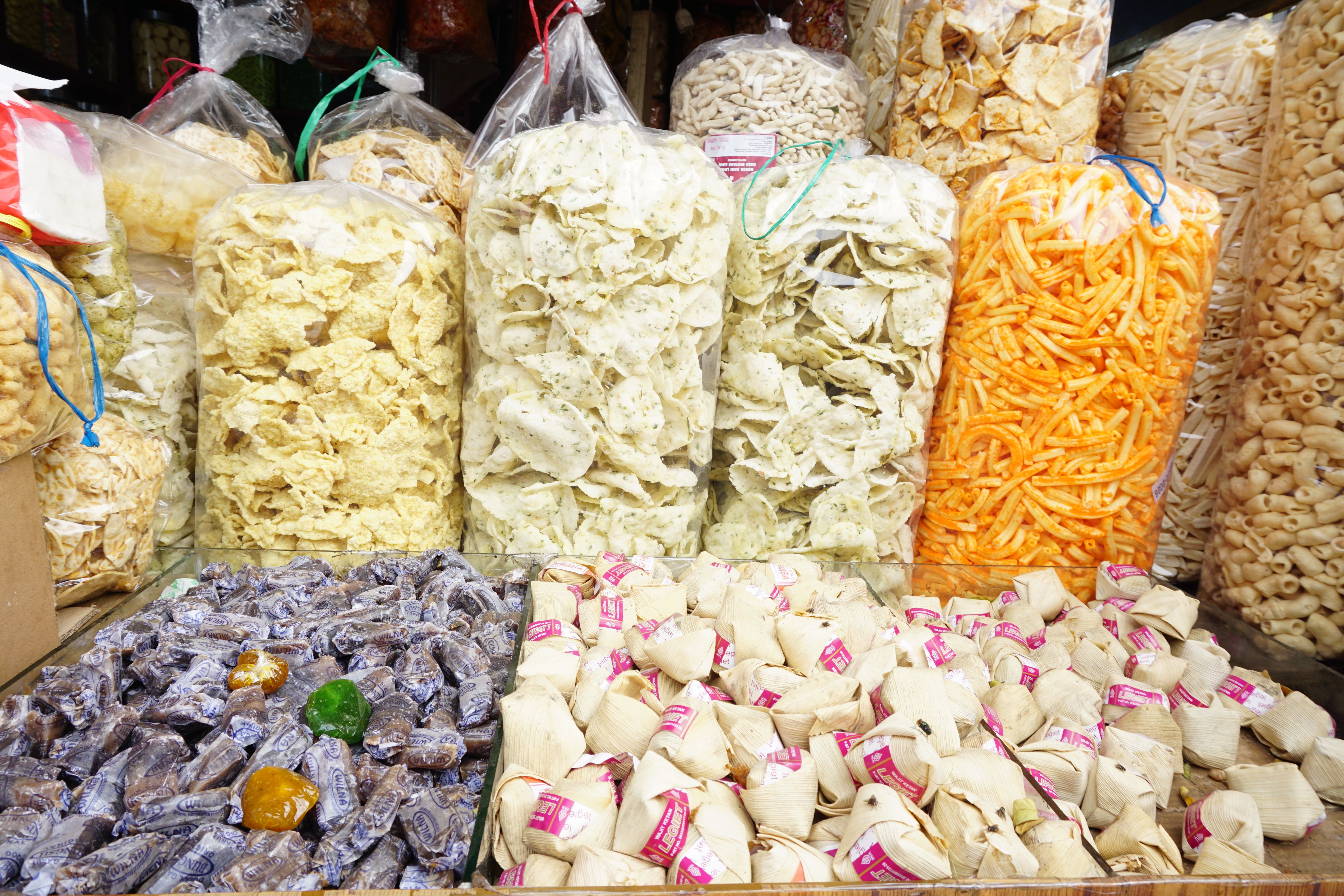
A useful first check is whether a listing identifies the product and brand clearly enough to match them to the package you expect to receive. Smoke Toki offers an trusted destination for rare global snacks featuring products from brands such as Hi-Chew, Pocky, Trolli, Amos Peelerz and KitKat Mini. A curated category makes browsing simpler, but it is still worth opening the individual listing, comparing the pictured packaging with the description and checking the current stock status before placing an order.
Specialized online retailers can help shoppers assess freshness and genuine branding by providing checkable details: a product’s origin, best-before information, the brand name, and photographs or descriptions of its packaging. Consistent details across the listing and the package offer a stronger basis for a decision than a general claim that an item is rare or authentic. Shoppers can use those details to ask about anything unclear before ordering; a curated selection alone does not establish a product’s freshness.
Ingredients and allergens deserve a closer look than a flavor name or a package photo. The FDA’s guidance on importing human foods says food brought into the United States must meet applicable requirements, including informative, truthful labeling in English. It does not mean the agency approves every imported product or importer in advance. If you have a food allergy, read the full ingredient information rather than relying on a short listing or an absence of a “Contains” statement. US rules identify nine major allergens: milk, eggs, fish, crustacean shellfish, tree nuts, wheat, peanuts, soybeans and sesame.
The FDA’s food-allergy advice also emphasizes checking the label each time, since ingredients can change. For other shoppers, freshness is a practical concern: look for a best-before date or a clear way to assess the remaining shelf life, particularly when ordering chocolate, filled wafers or limited-run candy. Check how the seller handles shipping, where it delivers and what its return policy covers. Clear product details and reachable customer support are more useful signs than a dramatic claim about rarity; as with other online purchases, trust in an online platform is built through information shoppers can actually check.
Building a Small Tasting Tour From Home
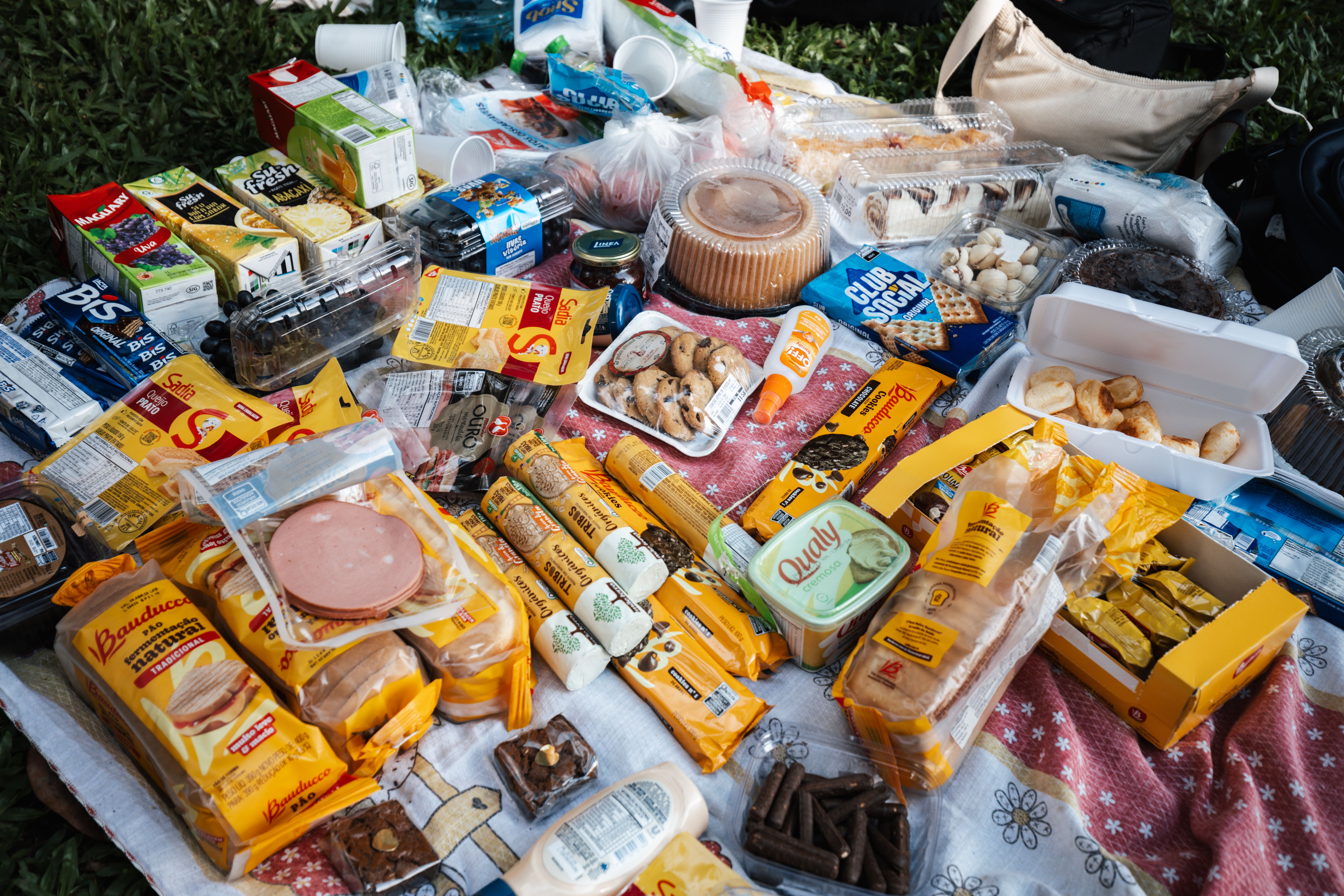
An at-home tasting tour works best with a little structure. Choose one flavor family-fruity, sour, floral or spicy-then compare two or three products rather than filling a cart with everything that looks unusual. Starting with a familiar format helps isolate what is new: compare two gummies for sweetness and texture, for example, or two savory snacks for heat and seasoning. Read the descriptions before buying, and check pack sizes so that a tasting experiment does not become an unexpectedly large order. Once the snacks arrive, short notes on aroma, sweetness, acidity and texture make it easier to remember what you would try again.
Specialized stores can make that process more convenient by gathering different brands in browsable categories instead of requiring shoppers to seek out each product separately. Hybrid retailers add another dimension: Smoke Toki places its candy selection alongside other lifestyle categories, including smoking and vape accessories. That arrangement may suit adults who prefer to browse several interests in one store, though the food purchase still merits its own ingredient, freshness and delivery checks. The most useful feature of any curated shop is not simply the breadth of its catalog; it is the ability to move from an appealing discovery to enough product information to make a considered choice.
What to Expect as Global Flavors Keep Circulating
Flavor trends rarely move in a straight line from novelty to permanent shelf staple. A profile can become familiar through a restaurant dish, appear in a snack, then inspire new combinations that bear only a loose resemblance to its starting point. No single flavor is guaranteed to dominate the next shopping season. Availability may vary as brands test products and retailers change their selections.
For shoppers, the best approach is to keep discovery enjoyable without letting a striking package do all the decision-making. Notice the specific flavor and format that caught your interest, then check the brand, ingredients, allergens, shelf-life information and shipping details before ordering. That small pause preserves the fun of trying something new while making the purchase more informed. International candy and snacks can open a door to further exploration, from seeking out an ingredient to learning about the food traditions behind it, one considered taste at a time.